
Ultimate Guide to Building a Deck in North Carolina: Materials, Costs, and Permits
Planning to build a deck in Fayetteville or the Triangle area? Learn about deck materials, building codes, permit requirements, and costs for North Carolina homeowners.
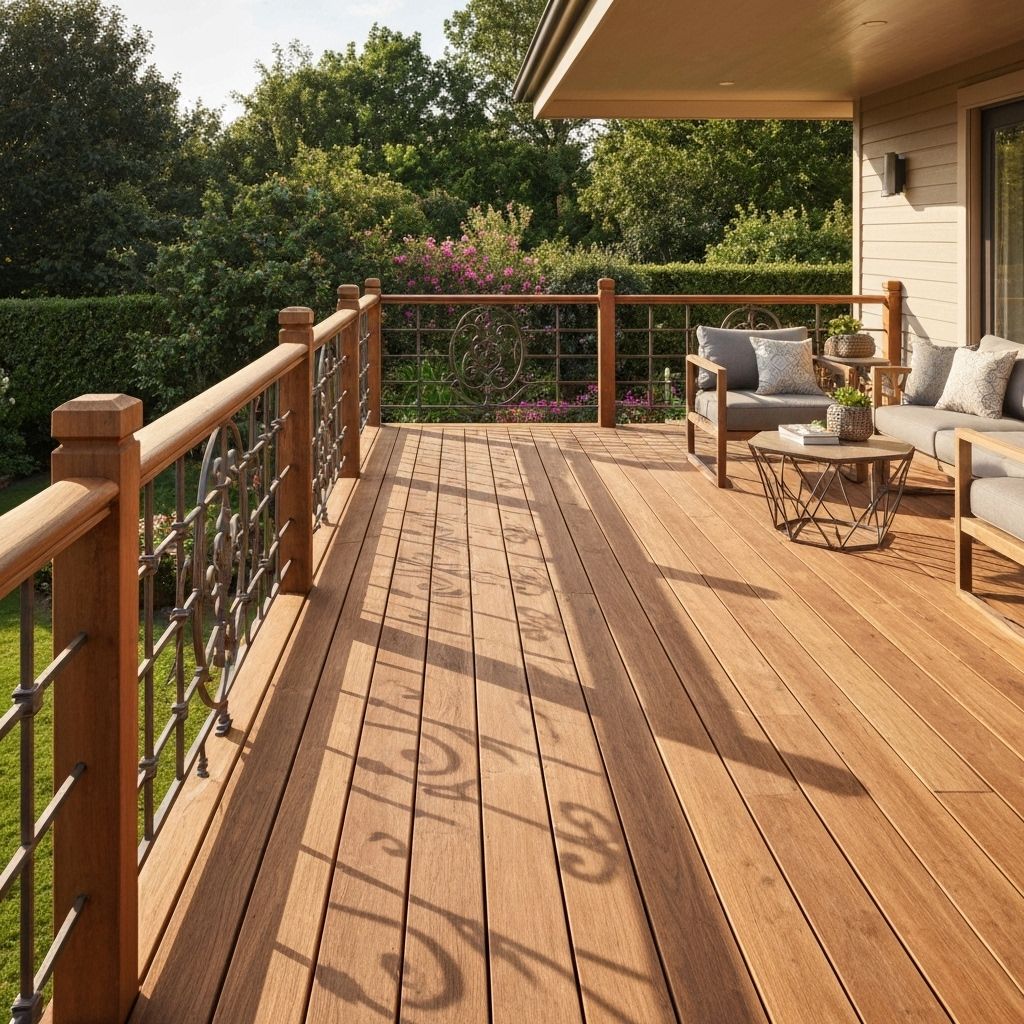
A well-built deck can transform your outdoor living space and add significant value to your home. But building a deck in North Carolina requires understanding local building codes, choosing the right materials for our climate, and navigating the permit process.
After building hundreds of decks throughout Fayetteville and the Triangle area, I've learned what works—and what doesn't—in North Carolina's humid subtropical climate.
Why Deck Choice Matters in NC
North Carolina's climate is tough on outdoor structures:
- Hot, humid summers (85-95°F with 70%+ humidity)
- Temperature swings from 20°F to 100°F
- 40-50 inches of annual rainfall
- UV exposure that fades and degrades materials
- Occasional hurricanes and severe storms
- Termites and wood-boring insects
Deck Materials Compared: What Works Best in NC
Pressure-Treated Pine (Most Common)
What it is: Southern yellow pine chemically treated to resist rot and insects.
Advantages:
- Most affordable upfront option
- Easy to work with
- Can be stained or painted
- Readily available
- Accepts standard fasteners
Disadvantages:
- Requires annual maintenance (staining/sealing at $300-500/year)
- Can warp, crack, and splinter over time
- Fades in UV exposure
- 15-25 year lifespan with proper maintenance
Best for: Budget-conscious homeowners willing to invest time in annual maintenance
Composite Decking (Most Popular Premium Option)
What it is: Wood fiber mixed with plastic polymers, typically with protective cap.
Major brand we install:
- Trex (most popular, best value)
Advantages:
- Zero maintenance (no staining/sealing ever)
- Won't rot, warp, or splinter
- 25-50 year lifespan
- Fade and stain resistant
- Many colors and textures
- 25-year manufacturer warranty
Disadvantages:
- Higher upfront investment (2-3x wood initially)
- Can get hot in direct sun (lighter colors recommended)
- Requires hidden fastener systems
- Color is permanent
Best for: Homeowners wanting zero-maintenance, long-term value. Total cost over 20 years often LESS than wood when factoring in maintenance costs.
PVC Decking (Premium Low-Maintenance)
What it is: 100% plastic decking with no wood fiber.
Advantages:
- Completely waterproof
- Excellent stain and fade resistance
- Cooler than composite in sun
- 30-50 year lifespan
- Virtually maintenance-free
- Great for pool decks
Disadvantages:
- Premium investment (30-40% more than composite)
- Limited color options
- Can expand/contract with temperature
- Requires specific installation techniques
Best for: Pool decks, high-traffic areas, waterfront properties where maximum moisture resistance is critical
Exotic Hardwoods (Ipe, Tigerwood, Cumaru)
Advantages:
- Extremely dense and durable
- Natural beauty
- 25-40 year lifespan
- Naturally rot and insect resistant
- No chemicals
Disadvantages:
- Premium investment comparable to high-end composite
- Very hard to work with (dulls blades quickly)
- Requires pre-drilling
- Annual oiling for color maintenance ($300-500/year)
- Limited availability
Best for: High-end custom builds where natural wood appearance is the top priority
Deck Design: Size and Layout
Sizing Your Deck
Standard sizes for NC homes:
- 12x12 (144 sq ft): Small, intimate space for 2-4 people
- 12x16 (192 sq ft): Good for small gatherings, bistro table + chairs
- 16x20 (320 sq ft): Most popular size, accommodates full dining set + seating
- 20x20 (400 sq ft): Large entertaining space, multiple zones possible
- 24x24+ (576+ sq ft): Multi-level deck, extensive outdoor living
Height Considerations
Ground-level (< 30" high):
- Often doesn't require railing
- Easiest DIY option
- Limited view benefits
- Check local codes—requirements vary
Mid-height (30"-8'):
- Requires railing (36" minimum in NC)
- Most common for raised foundations
- Good view from elevation
- May need stairs
Elevated (8'+):
- Requires 42" railing
- May need multiple landings on stairs
- Engineering may be required
- Spectacular views but higher costs
North Carolina Building Codes for Decks
Key Requirements:
Structural:
- Footings below frost line (12" in most of NC)
- Proper ledger attachment (typically requires lag bolts)
- Joist spacing: 12" or 16" on-center (depends on material)
- Beam spans: Must meet code tables
Railings:
- Required for decks 30" or higher above grade
- Minimum 36" high (42" for elevated decks over 8')
- Balusters spaced max 4" apart (4" sphere rule)
- Must withstand 200 lb horizontal force
Stairs:
- Maximum riser height: 7-3/4"
- Minimum tread depth: 10"
- Consistent riser height (3/8" tolerance)
- Handrails required for 4+ risers
Permits:
- Required for most decks over 200 sq ft
- Required for any deck attached to house
- Inspections: Footing, framing, final
- Timeline: 2-4 weeks for approval
Deck Building Investment in Fayetteville
For a typical 16x20 (320 sq ft) deck, project costs vary based on materials and features:
Budget Build (Pressure-Treated):
- Most economical upfront investment
- Includes materials, labor, permits, and inspections
- Standard railing and stairs
- Note: Add $300-500/year for maintenance (staining/sealing)
Recommended Build (Trex Composite):
- Premium materials with zero maintenance
- Includes materials, labor, permits, and inspections
- Choice of Trex product tiers
- Hidden fastener systems for clean appearance
- Total cost over 20 years often LESS than wood (no maintenance costs)
Premium Build (High-End Trex Transcend):
- Maximum performance and aesthetics
- Includes materials, labor, permits, and inspections
- Premium railing options (cable, glass, composite)
- Built-in features available (benches, planters, lighting)
Cost factors that affect pricing:
- Deck height (elevated decks require more structural support)
- Railing style (cable and glass railings are premium options)
- Stairs and landings (multiple levels increase costs)
- Built-in features (benches, planters, lighting add value)
- Ground prep and grading requirements
- Removal of existing deck structure
Get accurate pricing: Every deck is unique. Request a free estimate for exact pricing based on your specific design and site conditions.
Essential Deck Features for NC Climate
Proper Drainage
Critical in our rainy climate:
- Slope deck boards slightly away from house (1/8" per foot)
- Use proper joist spacing (16" for composite)
- Leave appropriate gaps between boards (1/8"-1/4")
- Install flashing where deck meets house
- Consider under-deck drainage systems
Ventilation
Prevents moisture buildup:
- Don't enclose underneath unless properly vented
- Use lattice for airflow if screening underneath
- Avoid solid skirting that traps moisture
Fastener Selection
Use the right fasteners:
- Stainless steel or coated for pressure-treated
- Composite-specific hidden fasteners for composite
- Never use uncoated steel (will rust and stain)
- Pre-drill hardwoods to prevent splitting
Deck Maintenance by Material Type
Pressure-Treated Wood
Annual maintenance:
- Clean with deck cleaner (spring)
- Power wash (low pressure, 1,200 psi max)
- Apply stain/sealer (every 1-2 years)
- Replace damaged boards as needed
- Check structural integrity
Cost: $300-600/year for materials + time
Composite/PVC
Annual maintenance:
- Sweep off debris regularly
- Wash with soap and water 1-2 times/year
- Remove stains promptly (mold, grease, berries)
- Check fasteners and structural elements
Cost: $50-100/year for cleaning supplies
The Maintenance Math
Over 20 years:
- Pressure-treated: Initial cost $8,000 + maintenance $8,000 = $16,000
- Composite: Initial cost $13,000 + maintenance $1,500 = $14,500
Composite often costs less over the life of the deck when factoring in time and materials for maintenance.
Deck Add-Ons Worth Considering
Lighting ($500-2,000)
- Post cap lights
- Step lights
- Under-railing lights
- Landscape lighting Benefits: Safety, ambiance, extended use
Built-in Seating ($800-2,500)
- Perimeter benches
- Planter boxes with seats
- Storage benches Benefits: Saves space, integrated look
Pergola/Shade Structure ($2,000-8,000)
- Partial shade
- Climbing plant support
- Architectural interest Benefits: Comfort, defines space
Outdoor Kitchen Features ($1,000-10,000+)
- Built-in grill
- Counter space
- Storage
- Sink Benefits: Entertaining, home value
Cable or Glass Railing ($3,000-8,000)
- Unobstructed views
- Modern aesthetic
- Low maintenance Benefits: Visual appeal, works with any style
Common Deck Building Mistakes
1. Improper Ledger Attachment
The problem: Deck separates from house, catastrophic failure The fix: Use proper lag bolts or structural screws through band joist into floor joists Prevention: Always flash properly, follow code exactly
2. Inadequate Footings
The problem: Deck settles, becomes unlevel, structural issues The fix: Pour footings below frost line (12" in NC), use proper diameter Prevention: Get soil test if needed, follow engineering
3. Wrong Joist Spacing
The problem: Bouncy deck, boards sag between joists The fix: Add additional joists to meet spacing requirements Prevention: Check manufacturer specs (composite often needs 12" centers)
4. Poor Drainage
The problem: Water pools, accelerates rot, mold growth The fix: Add slope, improve grading, install drainage Prevention: Plan for 1/8" per foot slope away from house
5. Using Outdoor-Rated Fasteners
The problem: Rust stains, loose boards, structural failure The fix: Replace all fasteners with proper type Prevention: Use stainless or coated fasteners from the start
DIY vs. Professional Installation
When DIY Makes Sense:
- Simple ground-level deck
- Straightforward rectangular design
- Experienced with construction
- Comfortable with permits/inspections
- Have proper tools
Potential savings: 30-50% of labor costs
When to Hire Professionals:
- Elevated deck (over 4 feet)
- Complex design or multiple levels
- Attached to house (ledger critical)
- Limited construction experience
- Want warranty protection
- Tight timeline
Timeline for Deck Construction
Planning & Design: 1-2 weeks
- Decide on size, materials, features
- Get quotes
- Make selections
Permits: 2-4 weeks
- Submit plans
- Wait for approval
- Schedule inspections
Construction:
- Ground-level deck: 3-5 days
- Elevated deck: 5-10 days
- Multi-level/complex: 2-3 weeks
Total timeline: 6-10 weeks from decision to completion
Deck Permits in Major NC Cities
Fayetteville
- Required for decks 200+ sq ft or attached to dwelling
- Cost: $100-300 depending on value
- Submit: Plans, site plan, structural details
- Website: fayettevillenc.gov
Raleigh
- Required for all decks attached to dwelling
- Cost: $150-400
- Online submission available
- Website: raleighnc.gov/permits
Durham
- Required for decks over 30" high or attached
- Cost: $200-350
- Plan review: 2-3 weeks
- Website: durhamnc.gov/permits
Chapel Hill
- Required for all decks
- Cost: $175-375
- Zoning review may be required
- Website: townofchapelhill.org
Hiring the Right Deck Contractor
Red Flags to Avoid:
- Not licensed and insured
- Can't provide recent references
- Requires large deposit (over 30%)
- No written contract
- Pressure to sign immediately
- Quote significantly lower than others
Questions to Ask:
- Are you licensed and insured in North Carolina?
- Will you pull the permit or do I need to?
- What's your warranty on workmanship?
- Can I see photos of recent decks you've built?
- Can you provide 3 local references?
- What's the timeline start to finish?
- How do you handle unexpected issues?
- What happens if it rains during construction?
Get It in Writing:
- Detailed scope of work
- Specific materials (brand, grade, color)
- Timeline with milestones
- Payment schedule
- Warranty information
- Permit responsibility
- Cleanup procedures
Deck ROI: What to Expect
According to Remodeling Magazine's Cost vs. Value Report:
Best ROI decks:
- Appropriately sized for home (not oversized)
- Quality materials (composite preferred)
- Professional installation
- Well-maintained
- Cohesive with home style
Lower ROI warning:
- DIY that looks DIY
- Overly customized or quirky
- Maintenance issues visible
- Code violations
- Out of proportion with home
Maximize Your Deck Investment
A well-designed, properly built deck provides:
- Additional living space (typically 300-500 sq ft)
- Increased home value ($8,000-15,000)
- Better outdoor entertaining
- Enhanced curb appeal
- Higher resale appeal
The key is choosing materials appropriate for North Carolina's climate and following proper building techniques.
Professional Deck Construction in Your Area
At Home Solutions NC, we build custom Trex composite decks designed for North Carolina's challenging climate. As Trex Pro certified contractors, we handle everything from design and permits to construction and final inspection.
Our deck services include:
- Free design consultation and 3D rendering
- Permit acquisition and inspections
- Trex composite decking - all product tiers available
- Custom railing and lighting options
- Built-in features (benches, planters, pergolas)
- 25-year Trex warranty plus labor coverage
- 240-month financing available
Ready to expand your outdoor living space? Get your free deck estimate and start enjoying your backyard this season with a zero-maintenance Trex deck.
Costs and specifications based on typical North Carolina installations. Building codes and permit requirements vary by jurisdiction. Always consult with local building department for specific requirements in your area.
Related Articles
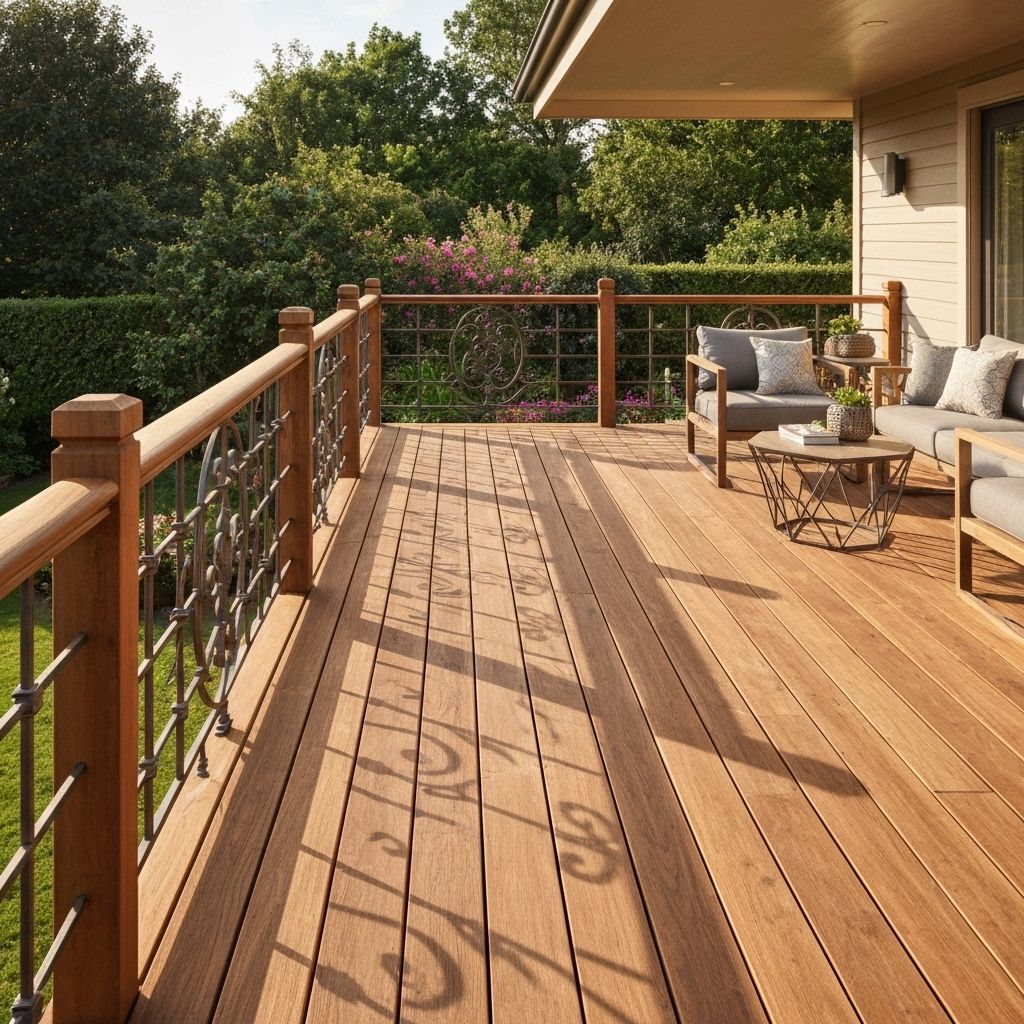
Trex vs TimberTech vs Azek Composite Decking: Which is Best for NC?
Complete comparison of Trex, TimberTech, and Azek composite decking for North Carolina homes. Price, warranty, heat retention, slip resistance, and performance analysis.
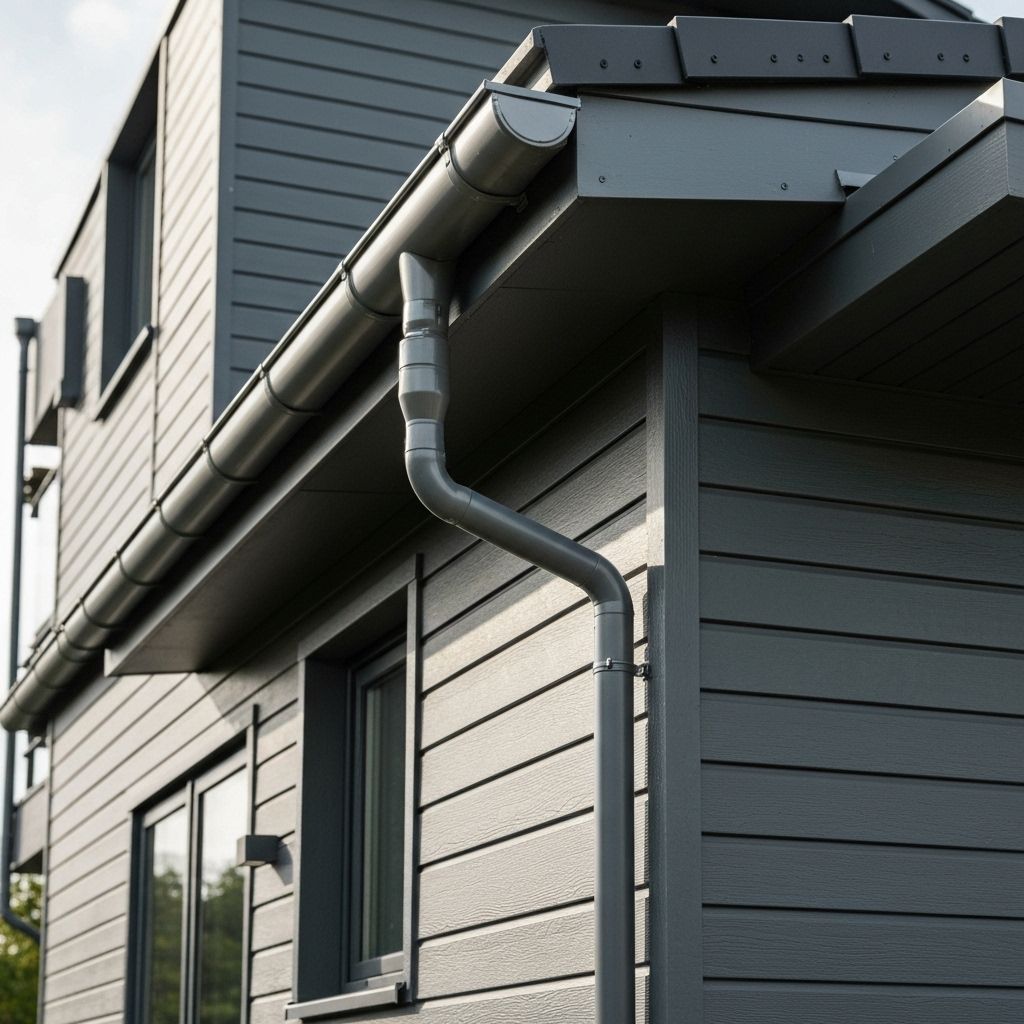
Vinyl vs. Fiber Cement Siding: Which Is Right for Your NC Home?
Vinyl and fiber cement are the two most popular siding choices for North Carolina homes. Here's how they compare in cost, durability, and maintenance.

Does My Roof Need a Repair or Replacement?
Wondering if your roof needs a simple repair or full replacement? Understanding the difference can save you thousands. Here's what you need to know.